Recreation
Timeline
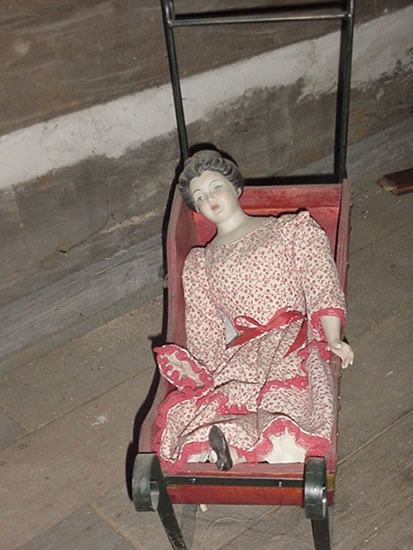
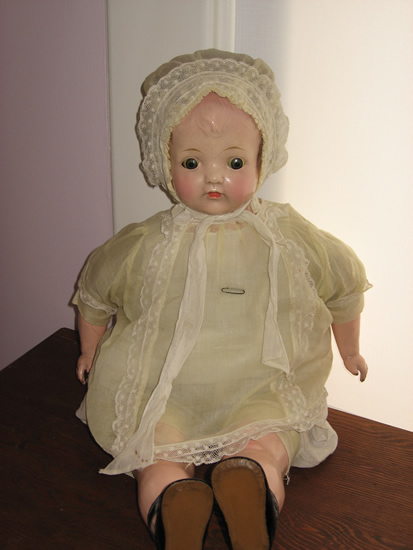
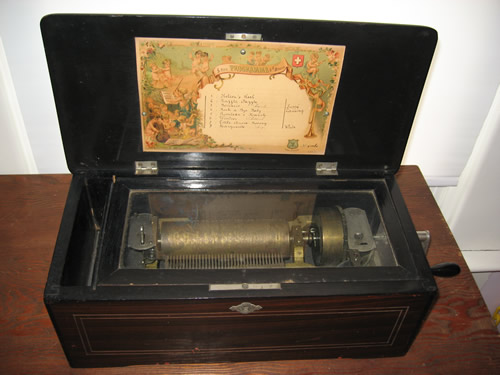
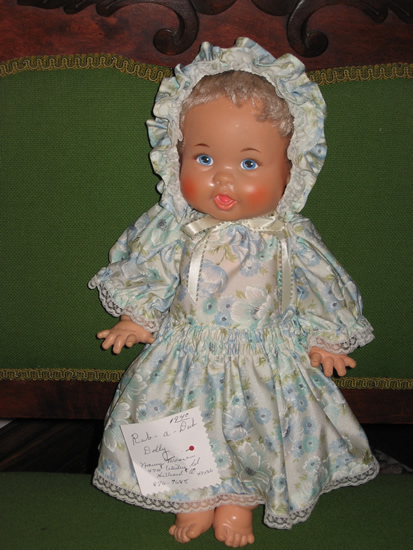
Children played with simple toys such as dolls, marbles, trains, balls, musical instruments and rocking horses. Houses were not close to each other like today, so they relied on family members and a couple of close neighbors to keep themselves amused. Family story telling was a favorite pastime.
Adults as well as children needed some form of recreational activities to participate in or watch and enjoy. The Hilliard Board of Education recognized this and in 1875 they passed a motion to have singing in the schools and in 1879 granted permission to the Hilliard Brass Band to use one of the rooms. In 1880 a Dramatics Club also used the school facilities. In 1894-95 the high school sponsored a six-course lecture series, held at the Methodist Church. The first mention of a Fourth of July celebration was in 1887 when there was a community picnic in Scofield’s Grove, northeast of the village.
At the turn of the century there were bowling lanes, located on the west side of Main Street, between Norwich and Center Streets, and billiard (pool) rooms, across the street. It is not known how long these existed, but the Village Council at this time were regulating the hours they could be open.
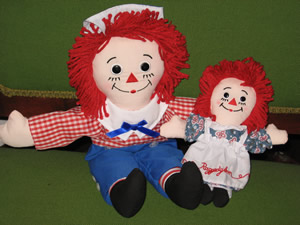
Children played with simple toys in the 1900s including the most famous rag doll of all, Raggedy Ann. Raggedy dolls were popular with parents because they could easily be patched when there were holes in them from children playing with them.
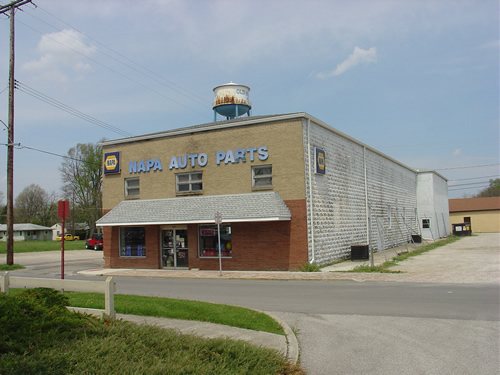
During the spring of 1916 the Hilliard Theater Auditorium was built. Hilliard Auditorium was located on Center Street, west of the Winterringer store. Today, it is the NAPA auto parts store. Families of Northwest Franklin county were finally able to attend cultural events. The first event that took place in the auditorium was the Hilliard High School graduation.
On May 27, 1916 the first motion pictures were shown. Shows could be seen on Wednesday and Saturday night of each week. Instead of previews to shows coming soon there would be some type of singing or story or poetry readings. Frank Winterringer’s daughter Esther would often play piano during the movies since there was no sound in movies at that time.
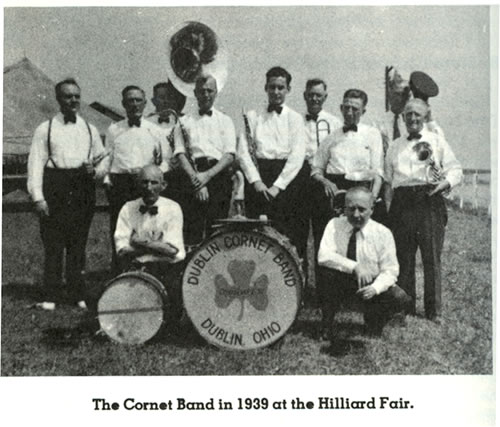
Many performances were offered at the Hilliard Theater Auditorium. Performances such as a traveling opera company, magician’s shows, basketball games (an independent team made up of ex-high school players), wrestling matches and dances. The Hilliard Band was popular for nearly every social event.
Besides attending performances at the Hilliard Auditorium you could take dancing classes. Popular dances including the one-step or two-step and the waltz could be learned at a cost of ten lessons for $5.00. Churches and organizations also held bazaars and dinners in this large room.
In the late 1920’s entertainment at the Hilliard Theater came to an end with the arrival of the talking pictures because people could drive to Columbus to see movies where the people talked.
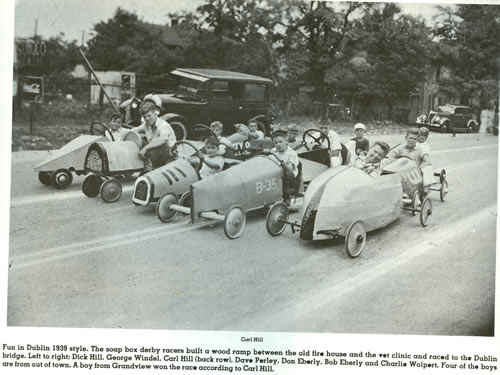
Other ways families spent their free time together was watching soap box derby races. In the 1930s many boys would work with their fathers to build a soap box derby car. Once completed, towns would build wooden ramps so derby racers could race their cars. Families would even visit neighboring towns to race their cars.
After the great depression ended, families had more time to spend together. Families could take vacations because they had more money and transportation became more affordable.
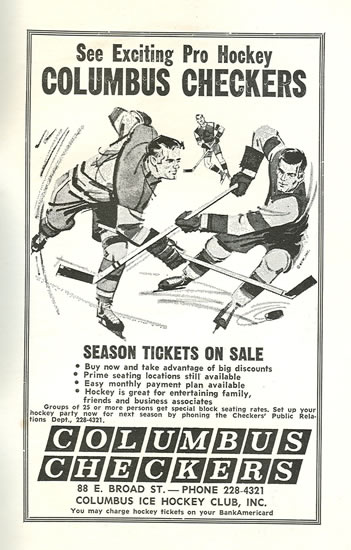
During the 1940s families continued to enjoy attending sporting events such as Ice Hockey. The Columbus Checkers was the first professional hockey team in Columbus. The team played its first game at the Ohio Expo Center Coliseum in Columbus as part of the International Hockey League (IHL).
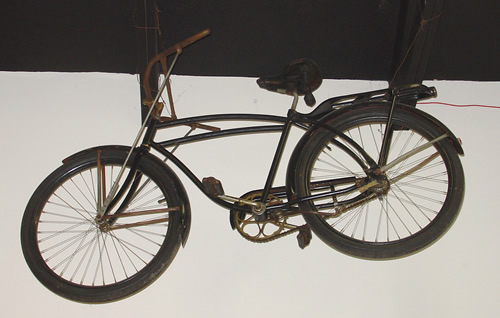
Toys made of wood and metal were popular in the 1940s. Often times toys were designed to teach children skills they would use later in life. An example of this is an Erector Set. Bikes, Wagons, and Pedal Cars were also popular with children.
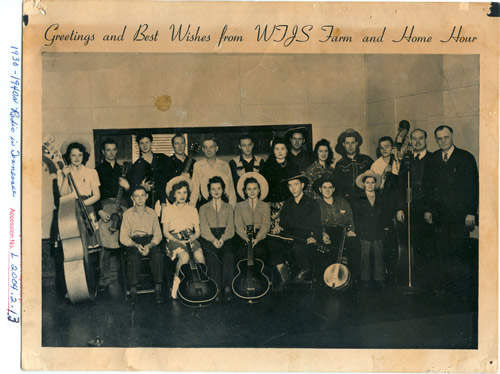
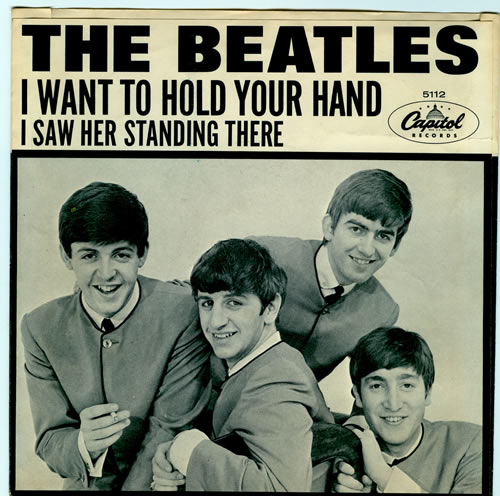
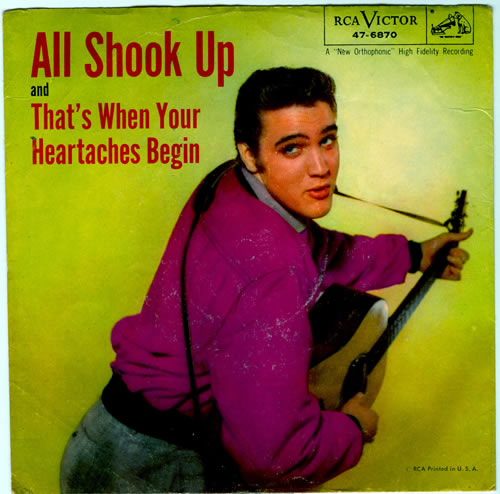
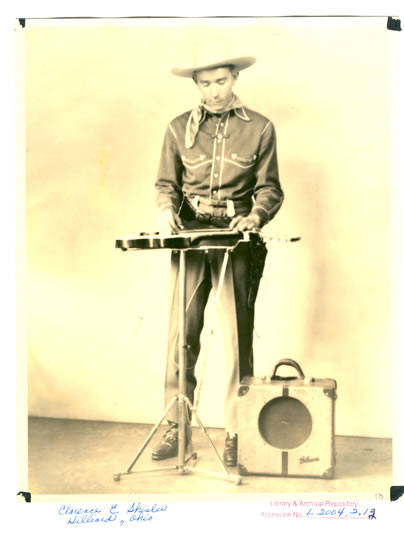
Dancing and music became more popular with teens. Rock and Roll became popular in the 1950s with singers such as Elvis Presley, and The Beatles. Country and western music performed by a local musician, Clarance E Shisler remained popular with parents and grandparents in the 1940s.
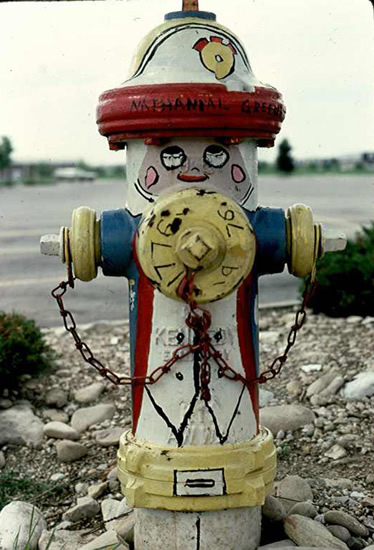
People in the 1970s became very patriotic with the bicentennial celebrations. The United State celebrated its bicentennial in 1976. Do you know what bicentennial means? Many competitions were held with organizations creatively painting fire hydrants. Some groups chose to paint their hydrants with a character such as the one shown here.
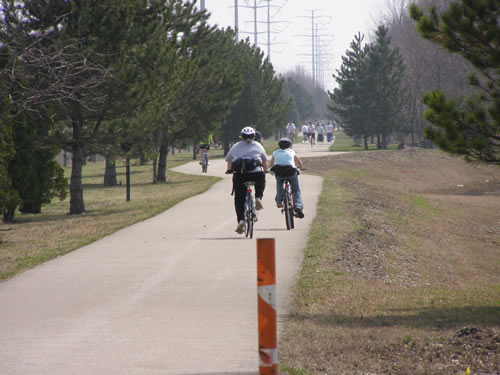
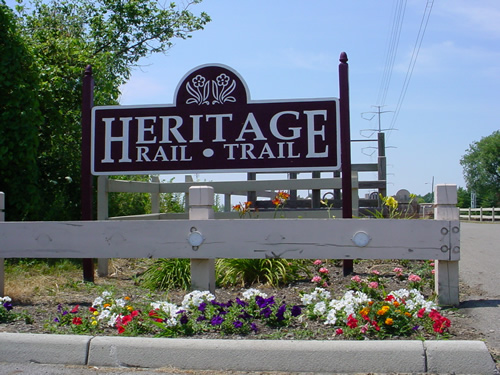
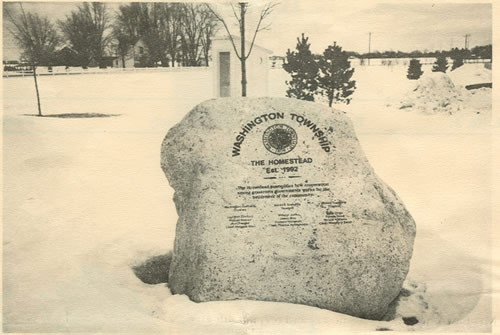
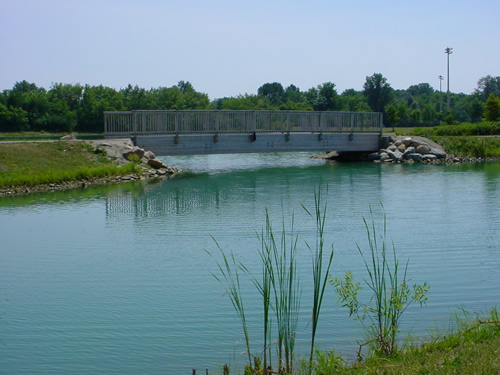
In 1984 the railroad track that ran through Hilliard was abandoned. It remained abandoned until 1995 when it began to be a trail for people to use for walking, hiking, biking, and skating. The Heritage Rail Trail started in the center of Hilliard and runs west toward Plain City. Homestead Park, in Washington Township, was built next to the rail trail. This 44-acre park has a train station replica, water play area, pond, as well as other typical outdoor fun play areas.
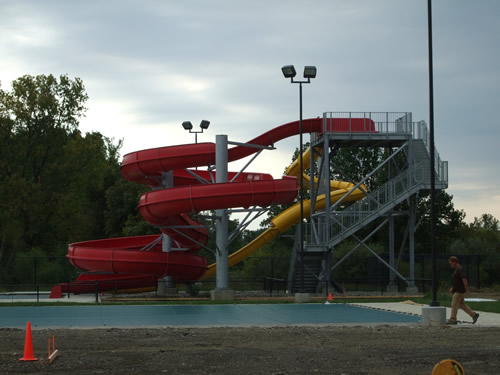
Community members enjoyed swimming in the new Hilliard Municipal Pool that was the largest stainless steel pool in the world in 1977. Many swimmers said it was the finest 50-meter 8-lane facility in the Midwest.
In 2000, an electrical spark caused a fire at the Fairgrounds, completely destroying the Grandstand before a new one was constructed in 2001. As the decade progressed, local infrastructure shifted; in 2005, SBC (now AT&T) expanded their Columbia Street building, which led to the demolition of Hotel Franklin and the relocation of a newly renovated home to Main Street in Old Hilliard to serve as The Northwest Franklin County Historical Society Library. The revitalization of Old Hilliard only accelerated into the 2010s and 2020s. A major milestone in this era was the 2015 opening of Hilliard’s Station Park, which transformed the downtown center into a vibrant, multi-use community hub and gathering space at the trailhead of the Heritage Rail Trail, managed by the City of Hilliard Recreation and Parks department.
Life in Northwest Franklin County today continues to be a dynamic mixture of modern subdivisions, booming commercial businesses, and historic agriculture. While tech developments and corporate hubs have increasingly joined the landscape, there are still a number of working farms on the western edge, especially in Brown Township. The area’s growth has been tremendous over the last two decades. In 2000, the population for the Hilliard City School District was 79,125, but data from the U.S. Census Bureau Data for Hilliard, OH shows that the district’s footprint has continued to swell well past 90,000 residents. Even with this rapid influx of new homes and road updates—such as the Norwich Street widenings that began in 2007 and modern roundabout additions—history still grounds the community. The tradition of naming roads, streets, schools, and buildings after early pioneers and townsfolk remains strong. This helps remind us of who we are, where we have been, and where we are going as Hilliard grows and changes.
On a global scale, just as the early 2000s were shaped by the Iraq War and the mainstream boom of the Internet, the 2020s have been defined by the global COVID-19 pandemic, the rapid rise of artificial intelligence, and a massive cultural shift toward remote work, as documented in research on the Future of Work by the Pew Research Center. These modern milestones continue to fundamentally change every aspect of our lives, altering how we do our jobs, how we find information, and how we communicate with others in our community. You will find many more stories, pictures, and articles on our journey through Northwest Franklin County in the topics across the top of the timeline! All aboard!
Gallery
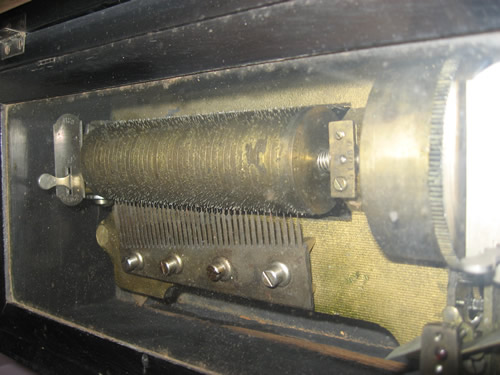
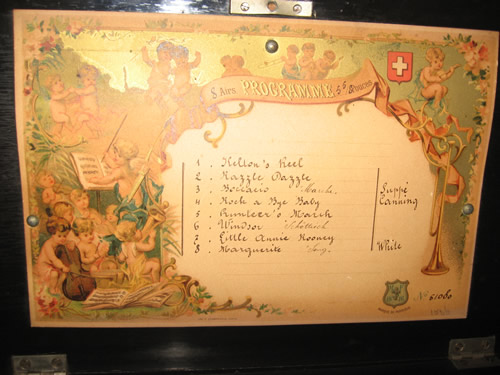
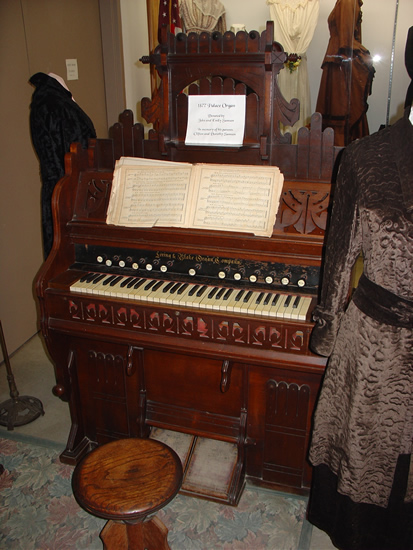
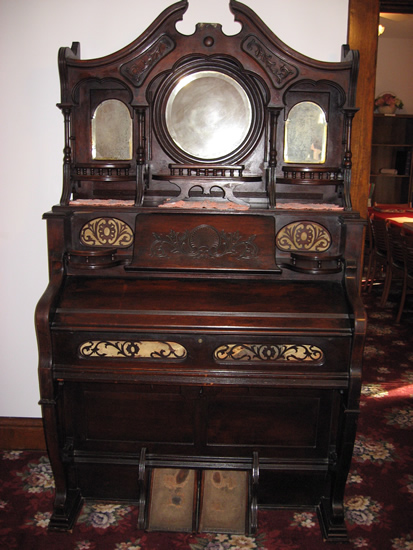
The Quartoquecentennial of a Pride Community-1978 Hilliard, Ohio
Overview Compiled and Edited by Lauren Davis and Rich Boettner
Photos:
Northwest Franklin County Historical Village