Technology
Timeline
Daily household technology in the 1800s required significant physical labor compared to modern conveniences. For doing laundry, people used a scrub board (the earliest washing machine, invented in 1797) to wash clothes by hand. Because electric dryers did not exist, clothes had to be hung outside on a line to dry.
Homes in Northwest Franklin County had no electricity throughout the 1800s. Instead of flipping a light switch, families lit their homes using candles and oil lamps. Cooking on the farm was done over an open fire or inside a fireplace using large cast-iron pots.
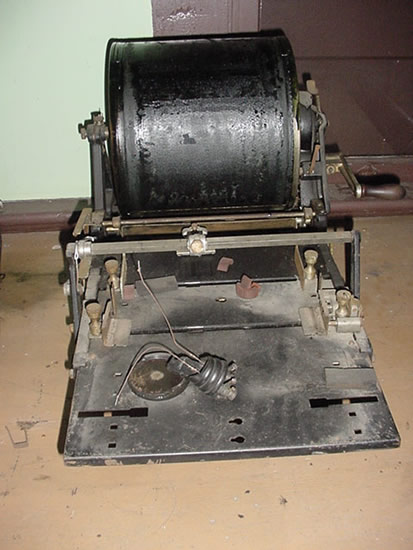
Communication technology was similarly limited. Before the telephone was invented near the turn of the century around 1900, people used telegraph service at the local train depot to send urgent messages. For everyday communication, people relied on paper and pencil, local newspapers, and oral storytelling. Storytelling was an especially vital way to preserve history, as very few people during the 1800s had the ability to read and write.
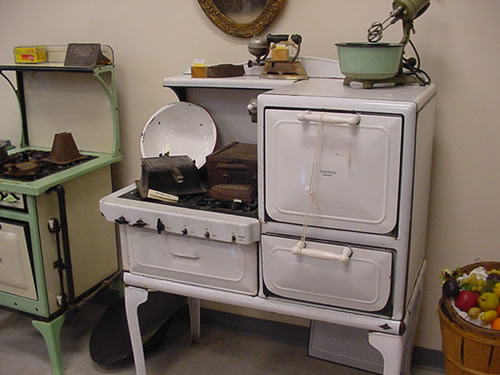
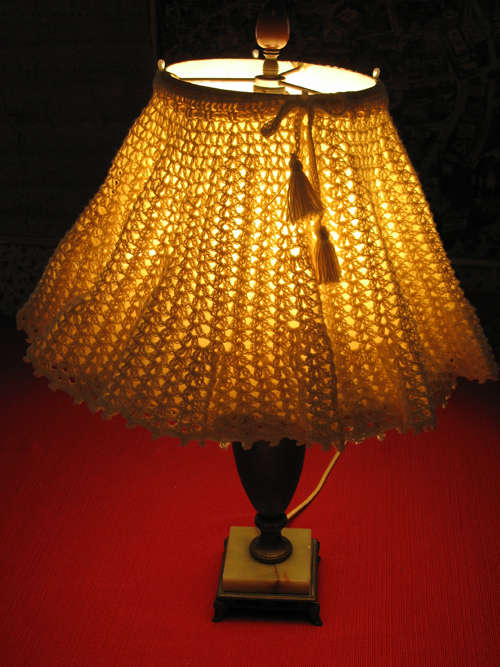
What an exciting era of discovery this was for residents of Northwest Franklin County! One of the most life-changing technologies introduced in the early 1900s was electricity. Even though many people were initially nervous about using electric power, the benefits were too great to resist. Electric lamps quickly replaced messy oil lamps and candles, burning much brighter, lasting longer, and greatly lowering the risk of house fires. Household chores also became far less painful when electric washing machines were introduced in 1914; by the late 1920s, half of all American homes owned one! Families also began cooking on gas stoves rather than open hearth fires, making kitchens much safer.
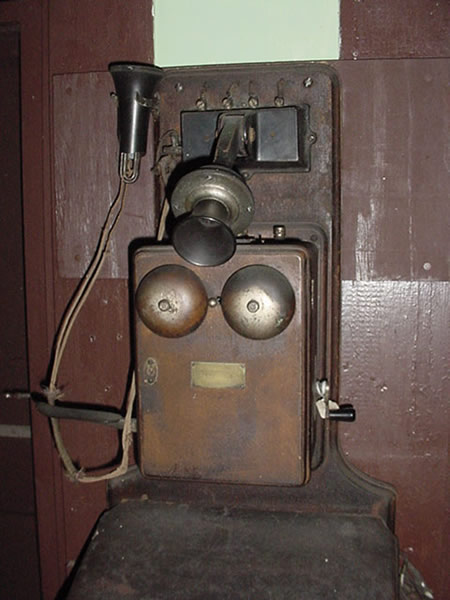
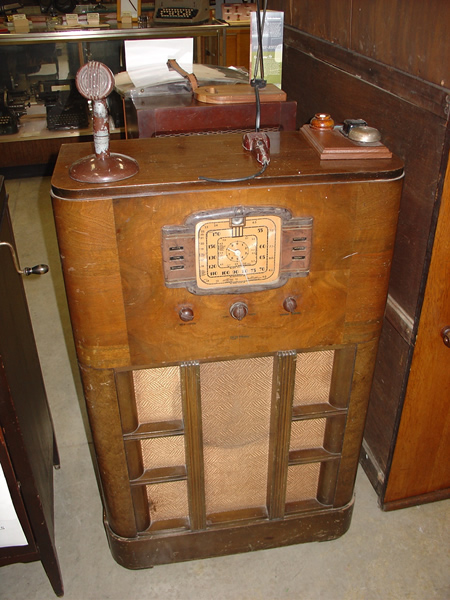
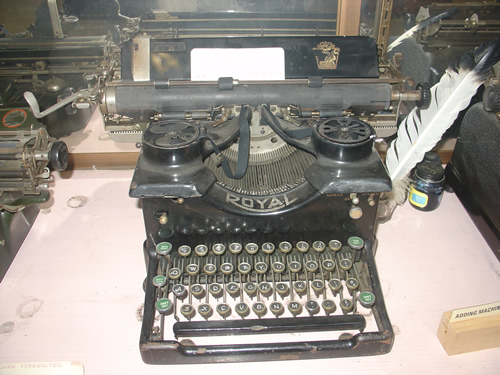
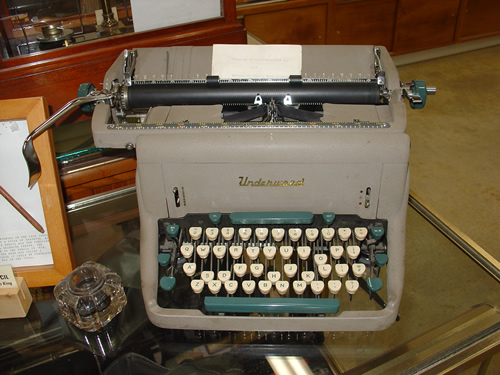
Communication also leaped into the modern age. The telephone first arrived in Hilliard in 1904, though neighbors originally had to pay a toll fee just to call someone across the street! In 1921, Ohio Bell took over local service and eliminated the toll, giving families an immediate way to share news without relying solely on pen and paper. Meanwhile, standard typewriters produced by Remington & Sons transformed written communication. By 1922, Ohio’s first radio station began transmitting, offering a brand-new way to broadcast news and severe weather alerts directly into living rooms across the community.
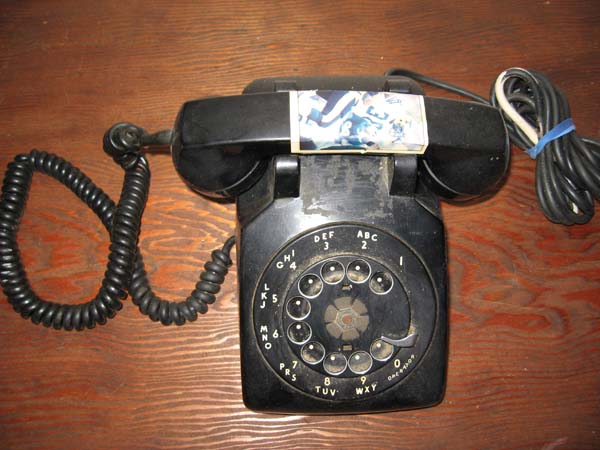
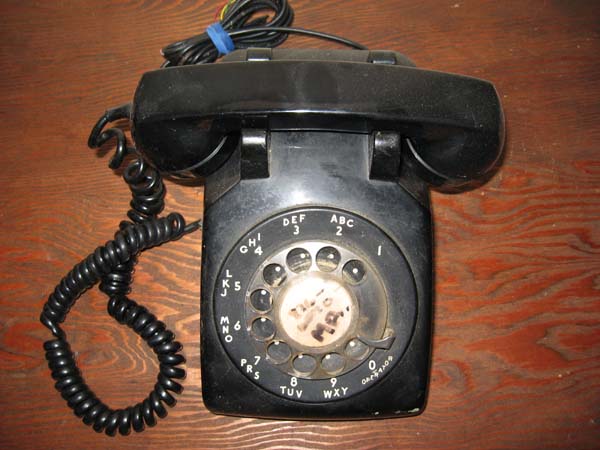
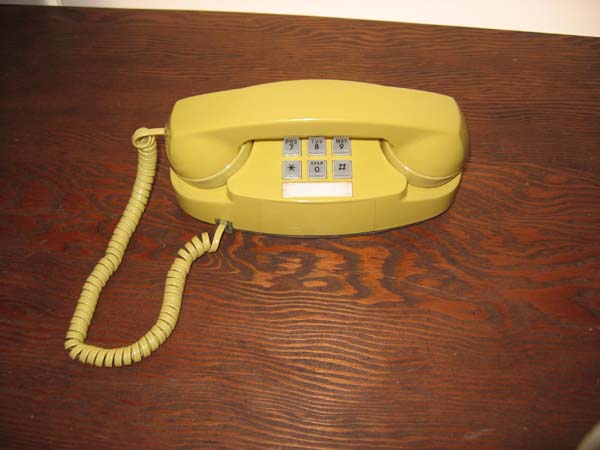
Technology and communication made incredible leaps forward between 1940 and 1969! For daily communication, Hilliard residents continued using rotary dial-up telephones like the Metal Dial Telephone and Plastic Dial Telephone. That changed following the 1962 Seattle World’s Fair, where touch-tone phones were introduced to the public and became an instant favorite. By 1968, sleek designs like the Trim Line Phone brought modern convenience straight into local living rooms.
Home appliances also underwent major upgrades to make everyday chores easier. Washing machines were equipped with built-in timers, and electric clothes dryers became widely available, freeing families from relying strictly on outdoor clotheslines. In the kitchen, households could now choose between electric and gas stoves to prepare family meals.
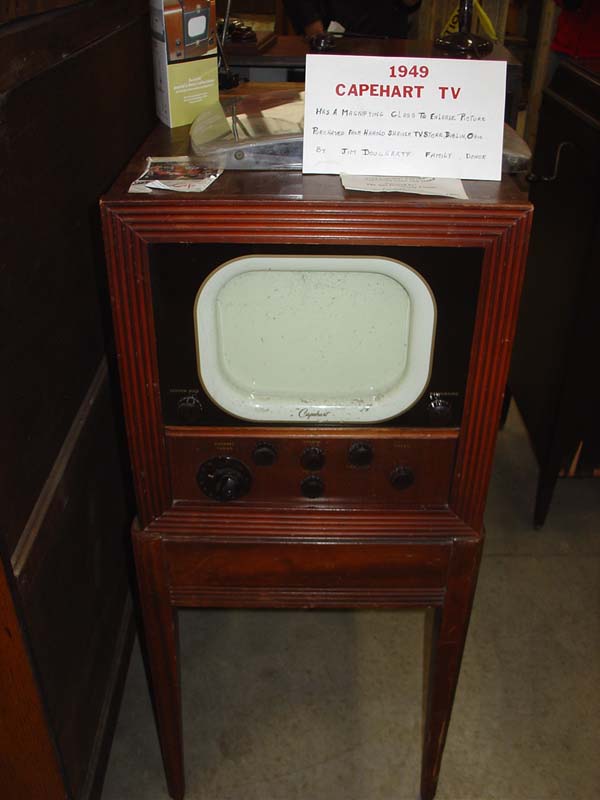
The biggest technological revolution in the home was the arrival of the television. Starting as black-and-white sets like the 1949 Television, TVs offered a brand-new way to both hear and see the news. TV technology evolved quickly with the invention of the first wireless remote control in 1956, and by 1967, most major broadcasts were transmitted in full color. Television truly brought the world together on July 20, 1969, when 600 million people watched Neil Armstrong walk on the moon from the comfort of their living rooms.
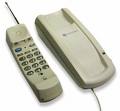
The period between 1970 and 1999 brought a massive revolution in how people communicated and used technology at home. Telephone convenience took off when PhoneMate introduced the first home answering machine in 1971, which weighed 10 pounds and used tape reels before going digital in the 1980s. Cordless phones arrived in 1980, freeing people from static wall phones, and early cellular service was tested before exploding in popularity—surpassing one million users by 1987. By the end of the century, the internet and email began replacing traditional mail, transforming global communication forever.
Personal computing also made its historic debut! While computer kits in the early 1970s had to be built by hand and offered tiny memories, everything changed when the Apple I was released on April 1, 1976. IBM introduced its “Personal Computer” running MS-DOS in 1981, Apple launched the Macintosh in 1984, and Microsoft introduced Windows in 1985. By the late 1990s, most households had at least one personal computer connected to the internet.
Everyday kitchen appliances also transformed busy household routines. The microwave oven—originally an accidental discovery by war radar scientists—became a kitchen essential. While early models in the 1970s were large and expensive at $1,295.00, they quickly became smaller and more affordable, appearing in over 60% of American homes by 1976.
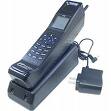
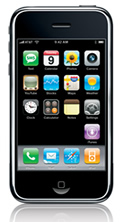
How many smartphones does your family have? The cell phone has almost entirely replaced the telephone. Many homes no longer have a “land line” phone, relying entirely on their mobile devices to communicate. Since Apple revolutionized the industry by releasing the first iPhone on June 29, 2007, smartphones have evolved from simple cameras and MP3 players into powerful, high-speed mini-computers that keep us constantly connected. Today, features like advanced Pro camera systems are highly prized by younger generations. Maybe someday, your computer and your phone will be exactly the same thing—or perhaps we won’t need screens at all! How do you think cell phones will continue to change?
Along with new hardware, how we interact with each other has undergone a digital revolution through social media. Starting with early platforms in the 2000s like Myspace and Facebook, the way we share our lives shifted from private messages to public digital feeds. Today, platforms like YouTube, Instagram, and TikTok have transformed everyday people into content creators, influencers, and digital storytellers. According to research from the Pew Research Center, the vast majority of Americans use social media daily to watch videos, get news, share photos, and stay connected with friends. While these platforms offer community and endless creative outlets, they have also sparked important conversations about screen time, digital well-being, and mental health. How much time do you spend scrolling on apps each day? Do you think social media brings people closer together or pulls them apart?
Do you have an e-mail address? Do you have more than one? While e-mail almost replaced letter writing in the early 2000s, today our communication has expanded even further into instant messaging, group texts, and high-definition video calls. People can talk face-to-face with friends or coworkers on the other side of the world instantly. Letter writing has truly become a rare and special art.
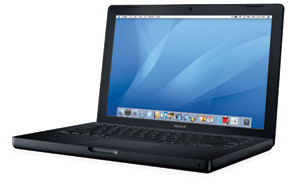
Today, many households have multiple computers, tablets, or smart devices. Computers have become faster, smaller, and vastly more powerful. We no longer need them to make DVDs because almost all of our movies, music, and information are streamed wirelessly from the “cloud.” Working from a coffee shop without cords is now an everyday occurrence! The most dramatic change today is the rapid rise of Artificial Intelligence (AI), which is already automating tasks, answering complex questions, and creating new opportunities in our daily work. What do you think the computer of the future is going to look like? What new inventions will change our world next?