
Transportation
Timeline
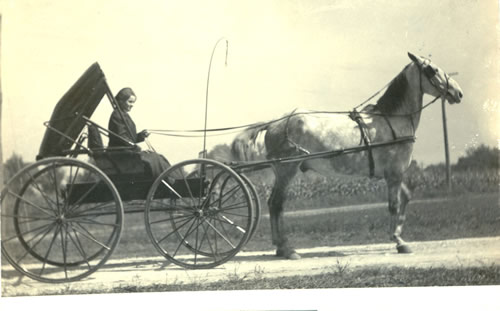
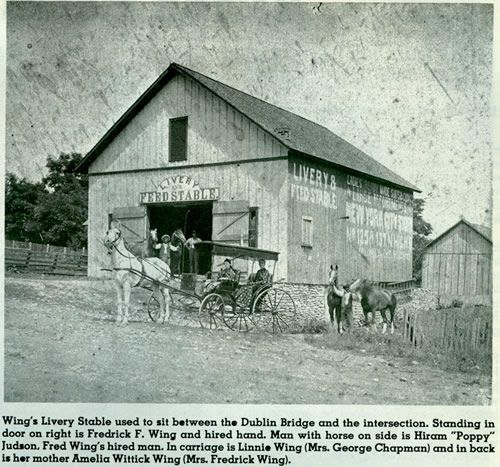
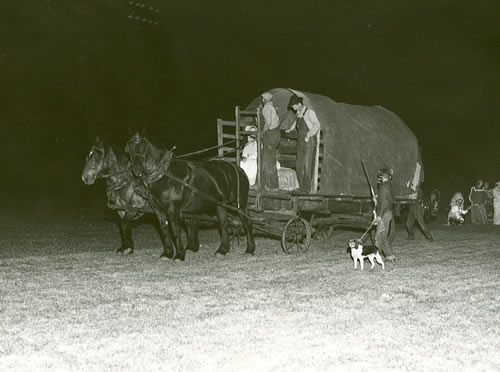
Travel in the 1800s was very different than it is today. People did not have cars to make their daily commute, so they relied on covered wagons, horses, buggies, or walking to get from place to place. If they lived near water, taking a boat was also an option.
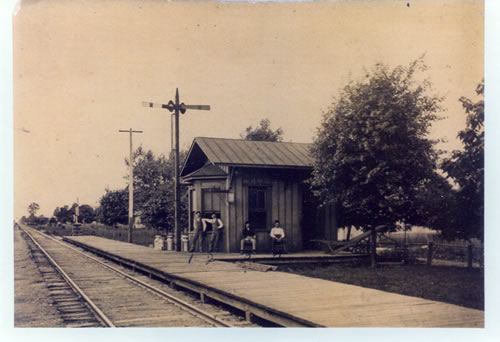
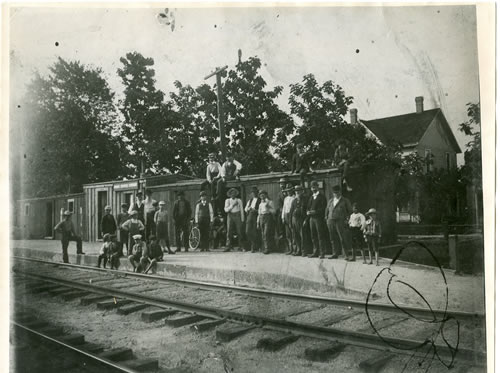
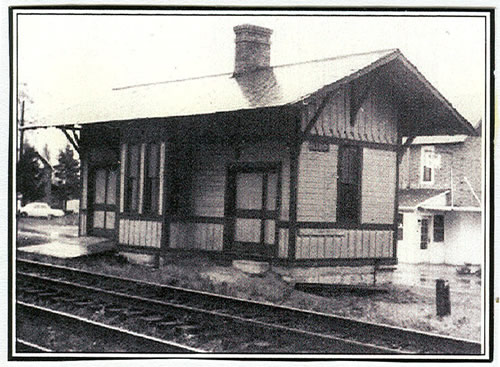
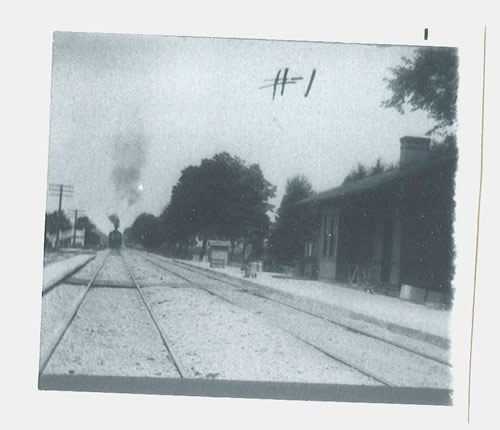
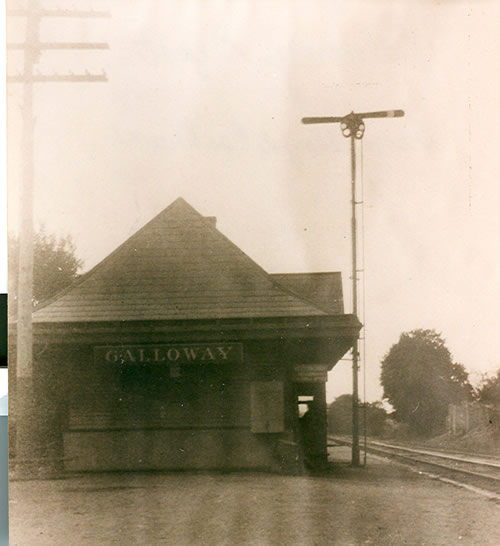
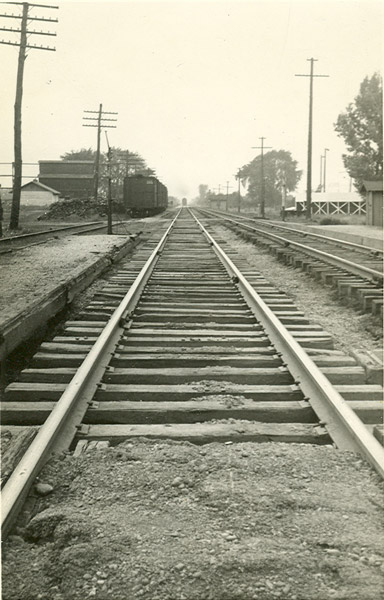
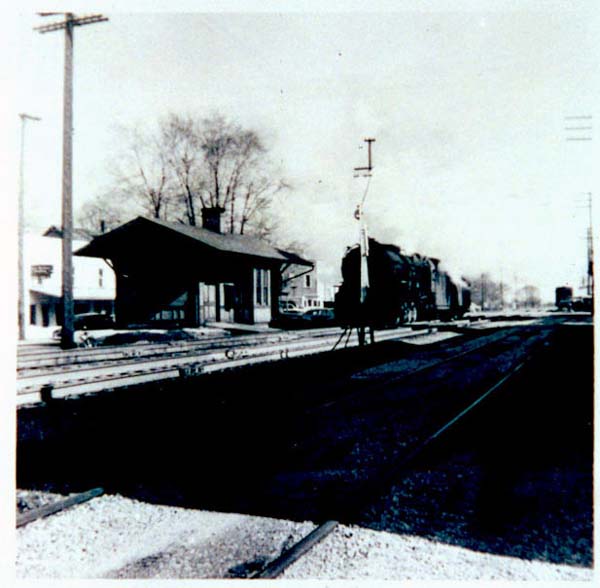
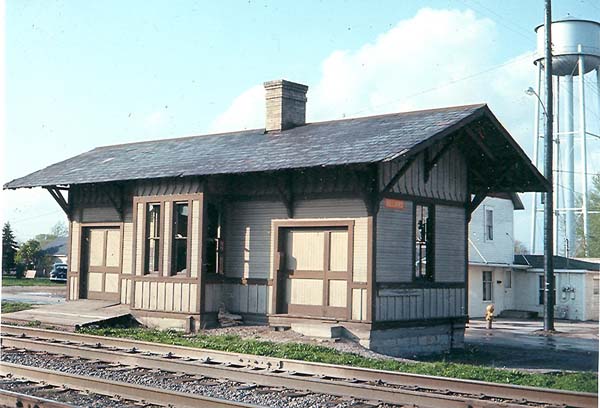
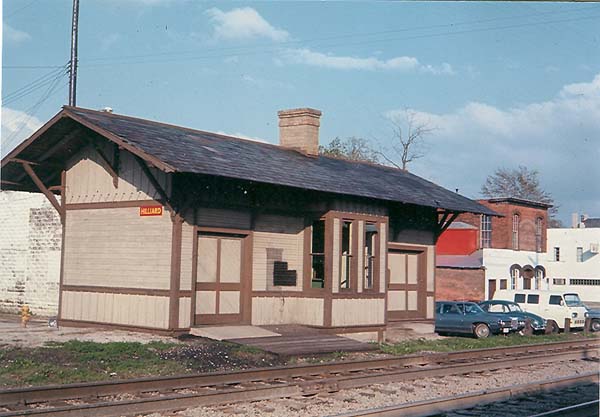
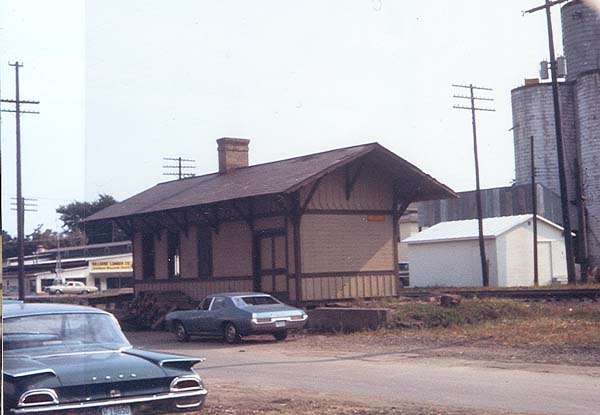
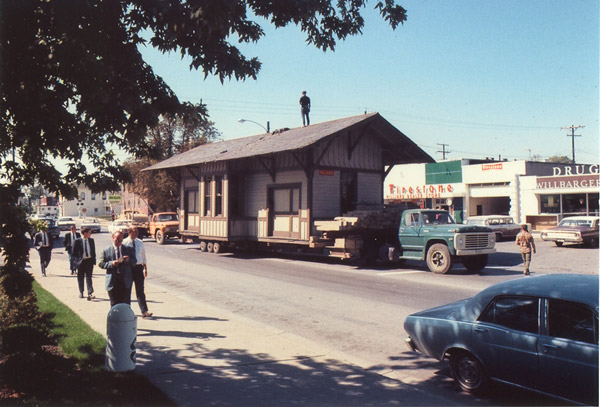
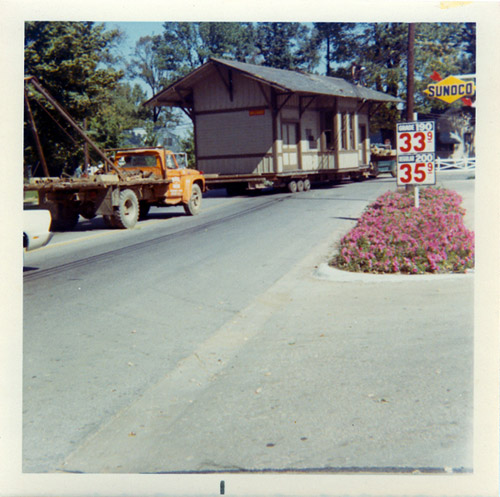
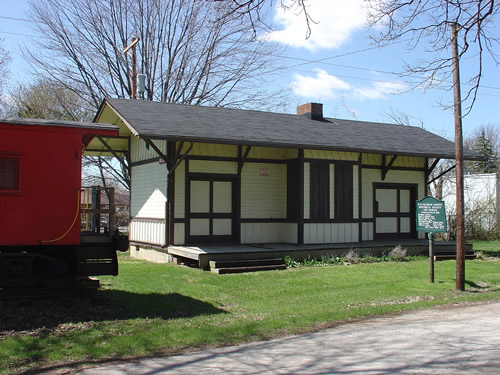
Rail travel revolutionized local travel in Northwest Franklin County. In 1852, the first railroad tracks were laid in Hilliard, Ohio, and by 1853, the line officially opened. The original railroad station was uniquely constructed by placing three boxcars together to form a single building, which became known as Hilliard’s Station.
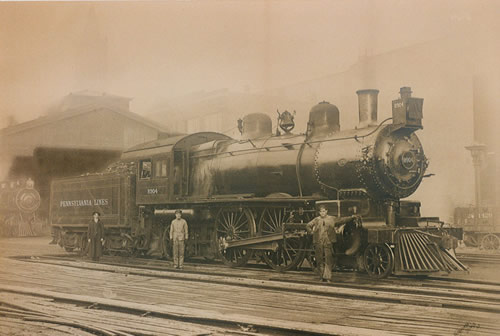
Trains made traveling between neighboring towns much easier for local residents. Passengers could travel from the village of Hilliard—founded by John R. Hilliard in 1853—to Pleasant Valley (now known as Plain City) for a fare of 28¢. A train ride into Columbus cost just 10¢, departing early in the morning so workers and shoppers could go to the city and return home to Hilliard in the evening. Around 1890, the Pennsylvania Railroad Company replaced the original boxcar station with a new combination depot to handle the town’s growing passenger, mail, and baggage needs.
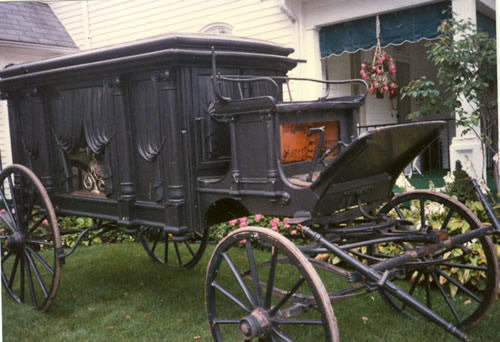
Travel in the early 1900s changed greatly! While people continued to rely on trains, horse-drawn carriages, and boats, exciting new ways to travel were just around the corner. Farmers still used horses to plow fields and relied on carriages to get back and forth to town, while trains continued to provide essential trips between Hilliard and Columbus.
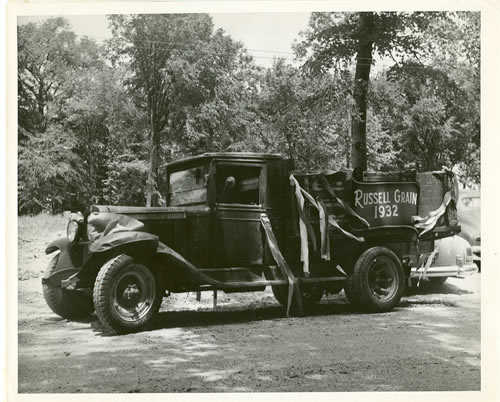
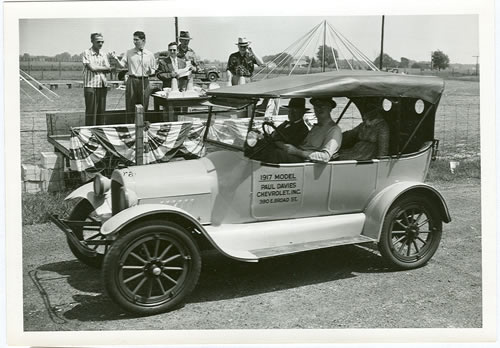
Everything began to transform when Karl Benz invented the first automobile in 1885, followed by Henry Ford’s introduction of the Model T in 1908. The first touring car in Hilliard was proudly owned by Mr. Fred Fishinger. Back then, fully loaded automobiles ranged in price from $490.00 to $2,000.00. Paying $500 for a car in 1912 was a major investment—similar to paying around $47,000 today! A “fully loaded” automobile in those days included gas lamps, a glass windshield, a top, a dust hood, and a warm robe to wrap around your feet, since early cars didn’t have built-in heaters. These vehicles were a far cry from modern cars with air conditioning, leather seats, and sunroofs, but they dramatically reduced travel times. A trip that used to take a day or two by horse could now be made in just a few hours!
Technology and communication made incredible leaps forward between 1940 and 1969! For daily communication, Hilliard residents continued using rotary dial-up telephones like the Metal Dial Telephone and Plastic Dial Telephone. That changed following the 1962 Seattle World’s Fair, where touch-tone phones were introduced to the public and became an instant favorite. By 1968, sleek designs like the Trim Line Phone brought modern convenience straight into local living rooms.
Home appliances also underwent major upgrades to make everyday chores easier. Washing machines were equipped with built-in timers, and electric clothes dryers became widely available, freeing families from relying strictly on outdoor clotheslines. In the kitchen, households could now choose between electric and gas stoves to prepare family meals.
The biggest technological revolution in the home was the arrival of the television. Starting as black-and-white sets like the 1949 Television, TVs offered a brand-new way to both hear and see the news. TV technology evolved quickly with the invention of the first wireless remote control in 1956, and by 1967, most major broadcasts were transmitted in full color. Television truly brought the world together on July 20, 1969, when 600 million people watched Neil Armstrong walk on the moon from the comfort of their living rooms.
By the late 20th century, the automobile and commercial airlines had become the dominant ways for people to travel. Most families in Northwest Franklin County owned one or two cars to commute to work, visit family, or head out on vacation. However, the nation faced a major energy crisis in 1973 when gasoline prices jumped from 30¢ a gallon to over $1.00! Concerned about rising costs, automakers responded by designing smaller, more fuel-efficient models. During this time, carpooling and public transit became popular solutions, though cars eventually grew larger again as the energy crisis passed.
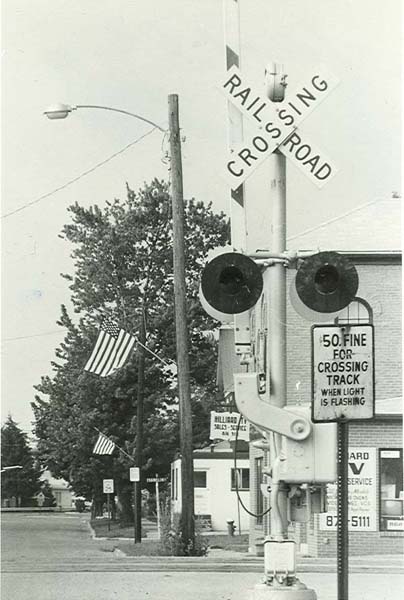
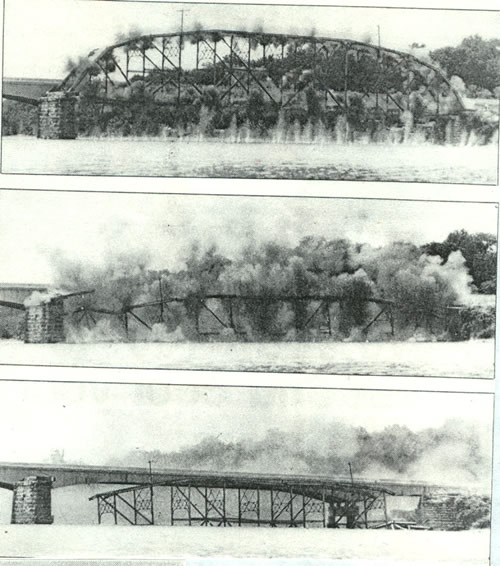
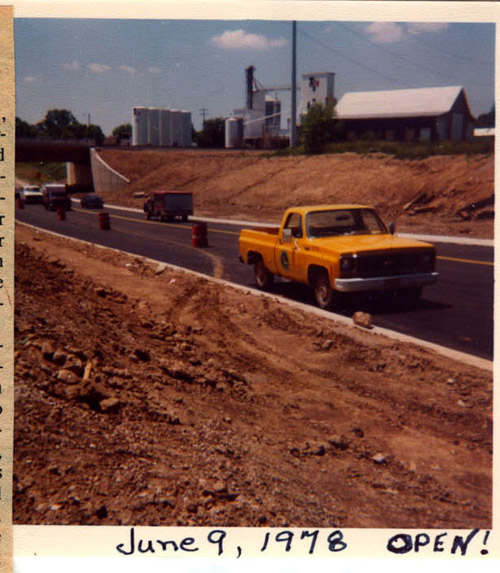
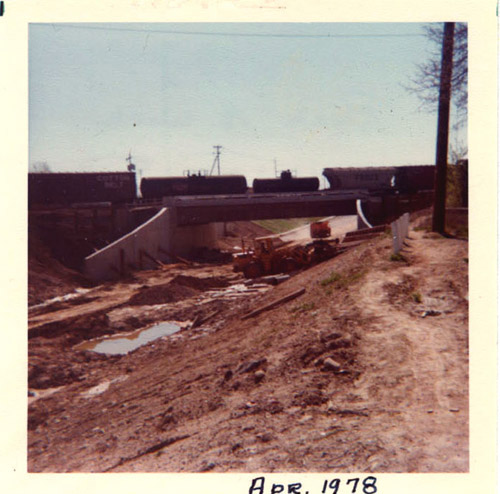
Local road infrastructure also underwent significant changes to keep traffic moving safely. The Hayden Run Road Bridge, originally built between 1904 and 1906, had deteriorated so badly that it was safely demolished in 1988 and completely rebuilt. Additionally, on July 4, 1978, the long-awaited Cemetery Road Underpass officially opened. Local residents were delighted that trains passing through Hilliard would no longer cause long traffic delays!
Commercial air travel also expanded dramatically. Boeing introduced the giant 747, bringing long-distance travel to millions of passengers worldwide. Meanwhile, British Airways debuted supersonic transatlantic service on the Concorde in 1976, allowing travelers to fly from London to New York in half the time of standard aircraft.
We continue to rely on the automobile as our primary means of daily transportation. In the 2000s, facing an energy crisis and shrinking natural resources, hybrid cars became a popular alternative to “gas guzzling” vehicles. Today, that shift has accelerated dramatically into the era of fully electric vehicles (EVs). With nationwide charging networks being built and battery ranges greatly improving, electric cars are rapidly replacing traditional gas engines on our roads.
In addition to how our cars are powered, how we get around has changed with ride-sharing platforms like Uber and Lyft. Instead of needing to own a car or hail a traditional taxi, millions of people now use smartphone apps to book rides on demand from local drivers. This has fundamentally reshaped suburban transit and parking needs across communities. What do you think the car of the future is going to look like? Will it even need a human driver?
Bicycles have also transformed from simple recreational toys into vital modes of daily transit and leisure. Decades ago, local planners had few connected bike paths, but today Northwest Franklin County boasts extensive networks like the 6.1-mile Heritage Rail Trail and expanding multi-use paths designed for safety and connectivity. In recent years, personal mobility has leaped into the future with pedal-assist e-bikes and motorized e-scooters. Across Central Ohio, shared micromobility programs allow residents to unlock electric bikes and standing or seated scooters via smartphone apps to zip through town cleanly and efficiently. How often do you ride a bike or scooter to get around your neighborhood?
Trains are now used mainly to haul freight, but that may change soon for our area! While none of the trains that come through Northwest Franklin County carry people today, local leaders are planning for an exciting future. The Federal Railroad Administration and local partners are studying proposed passenger rail routes, including the “Midwest Connect” line. The City of Hilliard has evaluated two potential sites near Cemetery Road and I-270 for a future Amtrak passenger station. This multi-modal suburban stop could connect Central Ohio residents to Chicago, Pittsburgh, and beyond. Do you think you will take a train out of Hilliard one day?
Commercial plane service continues to be very popular but has seen many shifts. The Concorde was retired in 2003, ending its transatlantic flight service. Here in Columbus, Ohio, a new ultra-low-cost airline called Skybus Airlines began operating in 2007, famously offering a handful of fares for as low as $10.00. However, the airline industry is tough and heavily affected by fuel costs; Skybus unfortunately ceased operations less than a year later in April 2008. How do you think energy costs and environmental concerns will continue to affect the flying industry?
Gallery
Primary Sources
America’s First All Weather and All Terrain Vehicle
Rewritten from an article found at the home of Mary W. Miller
Adapted by Christina Dorr
History of the Railroad in Hilliard, Ohio
Adapted by Jordan Main
Overview Compiled and Edited by Lauren Davis and Rich Boettner
Communication and The Railroad
The Quartoquecentenial of A Pride Community – 1978, Hilliard, Ohio
Overview Compiled and Edited by Lauren Davis
Photos:
Northwest Franklin County Historical Society Library
Photos:
Northwest Franklin County Historical Society Library